Quality, Traceable Mineral Reference Material You Can Trust
Reliable QA/QC starts with trusted reference materials
Certified laboratory reference materials are a critical component of laboratory QA/QC programs. Their use is to monitor analytical accuracy, precision, and repeatability, by providing confidence in assay results across mineral exploration, geotechnical, and environmental projects.
Why Reference Materials Matter
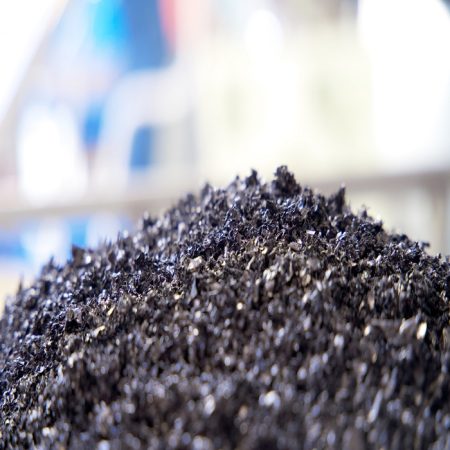
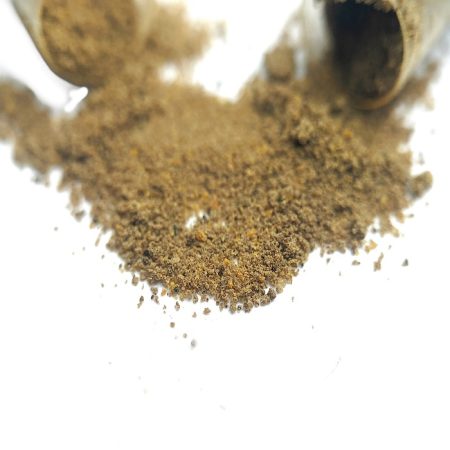
Lab reference materials are certified reference materials (CRMs), geologists analise against field samples. For mineral exploration purposes. They are pulverized, homogeneous, and stable geological samples with precisely known element grades. Often being, between 2 to 6%. Which geoscientists use as control samples in laboratory assays to validate accuracy, calibrate equipment, and comply with legal or contractual requirements for reporting ore reserves.
Detect analytical drift
Verify lab performance
Maintain data integrity
Support reporting and investor confidence
What We Supply
We supply a wide range of certified reference materials on an as-required basis, including:
Gold (Au) reference materials
Sulphide and oxide matrices
Low, medium, and high-grade standards
Multi-element and pathfinder element materials
We at Axial Supplies source our reference material from established, internationally recognised producers. All goods will come with full certificates of analysis and supporting technical documentation. Which we can provide to you before hand should you wish to view them.
Due to batch availability and project-specific requirements, materials are sourced and supplied upon request rather than held as fixed stock items.
Reference material availability, grade ranges, and matrix types vary between batches. To ensure suitability and traceability, materials are supplied on a project-by-project basis following confirmation of:
Target grade range
Matrix type (e.g. sulphide, oxide)
Quantity required
Intended analytical method(s)
Available in various options, such as pouches, jars or bulk. From which users can run through a sample splitter during lab testing prior to use.